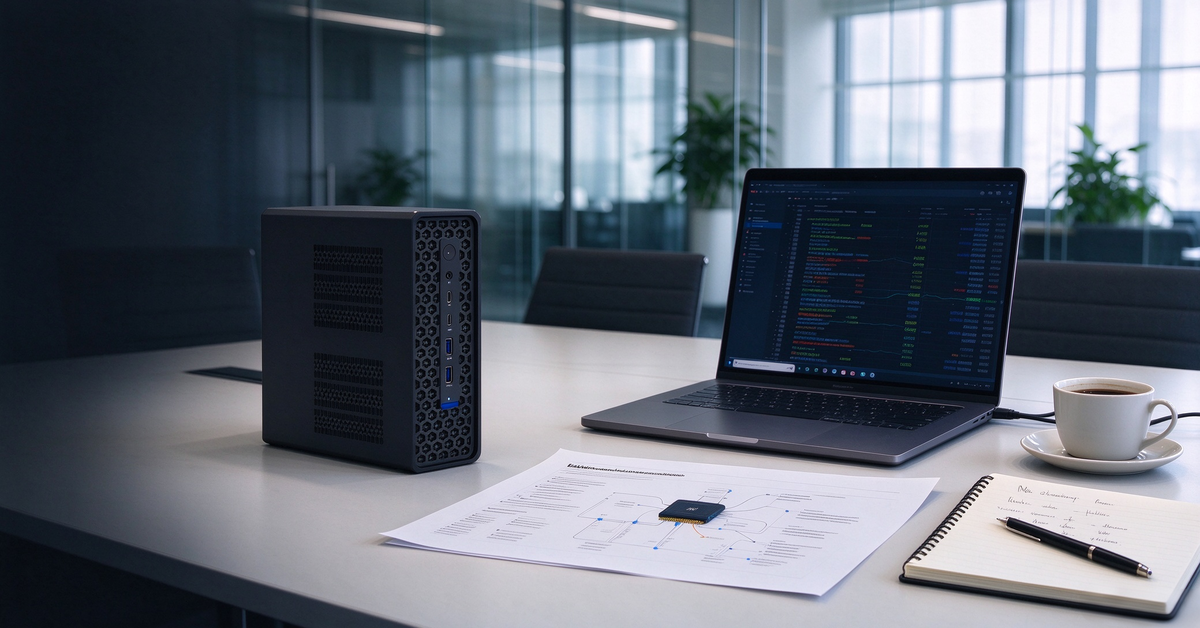
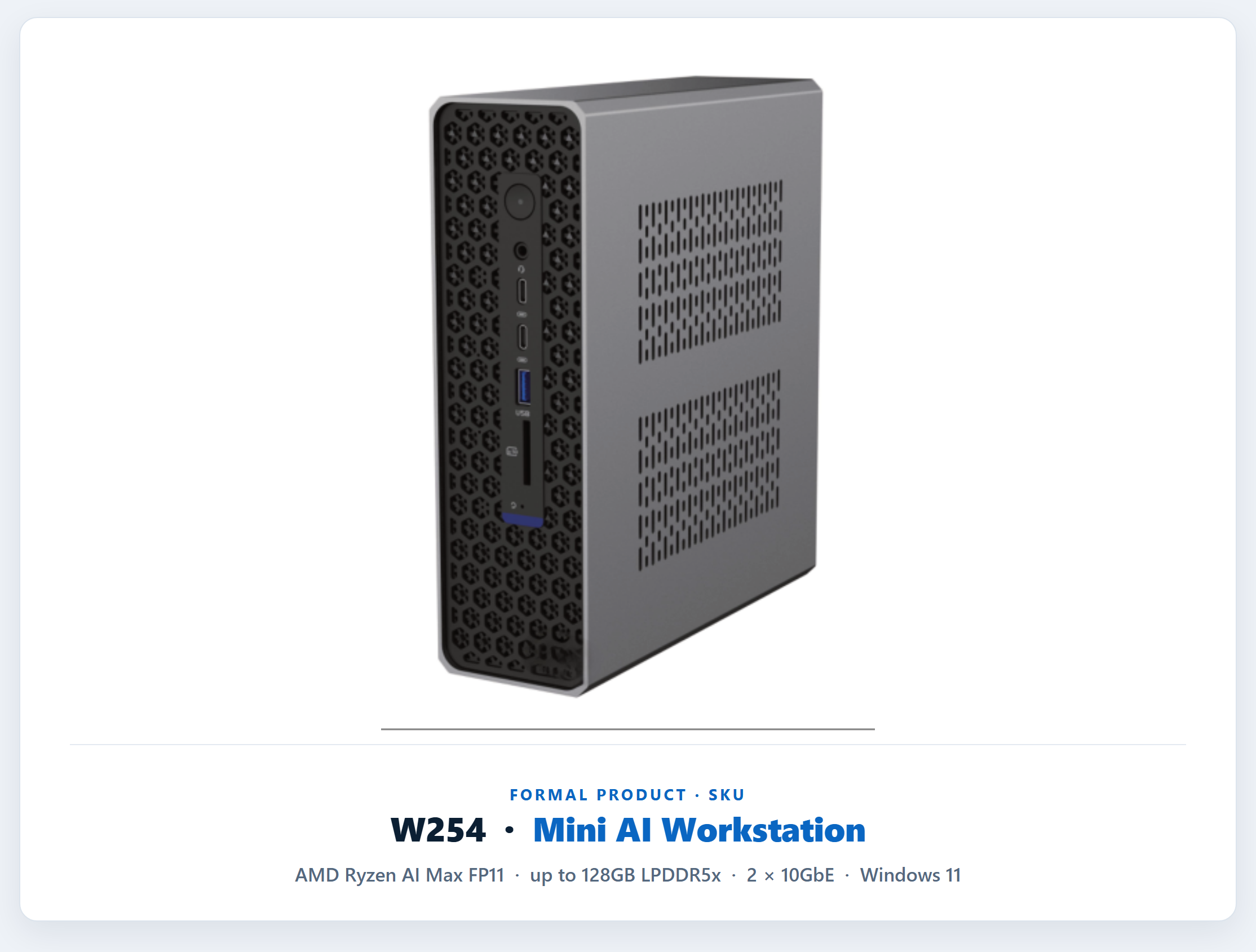
Most “local AI” demos fall apart the moment you ask them to do a real piece of work. So we started with the work — not with the slide deck. At Intellisiontech, we spent two weeks building and testing a local AI environment on an AMD Ryzen AI Max+ 395-based mini workstation: the same class of compact machine that a small business could realistically put on a desk and own.
TL;DR
- A complete private AI environment ran on one W254 mini AI workstation.
- We tested two real workflows: enterprise knowledge search, and AI-assisted product engineering.
- The answers were useful and structured — but that is a starting point, not a conclusion.
- Everything ran on-premise. Documents were not sent to a public AI service.
What we actually built
Our current setup includes:
- Windows
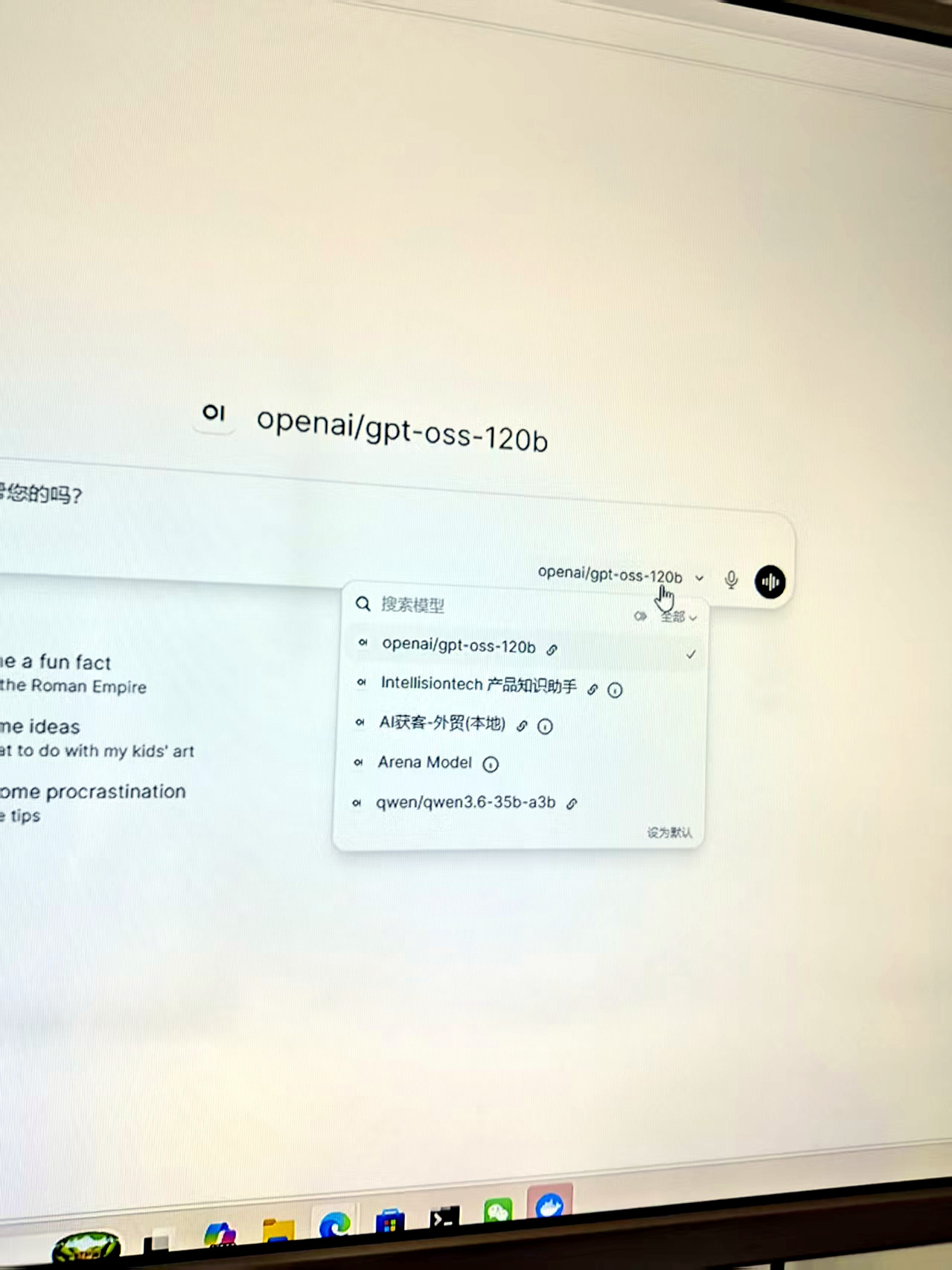
- Local LLMs: GPT-OSS-120B and Qwen3.5-36B
- LM Studio
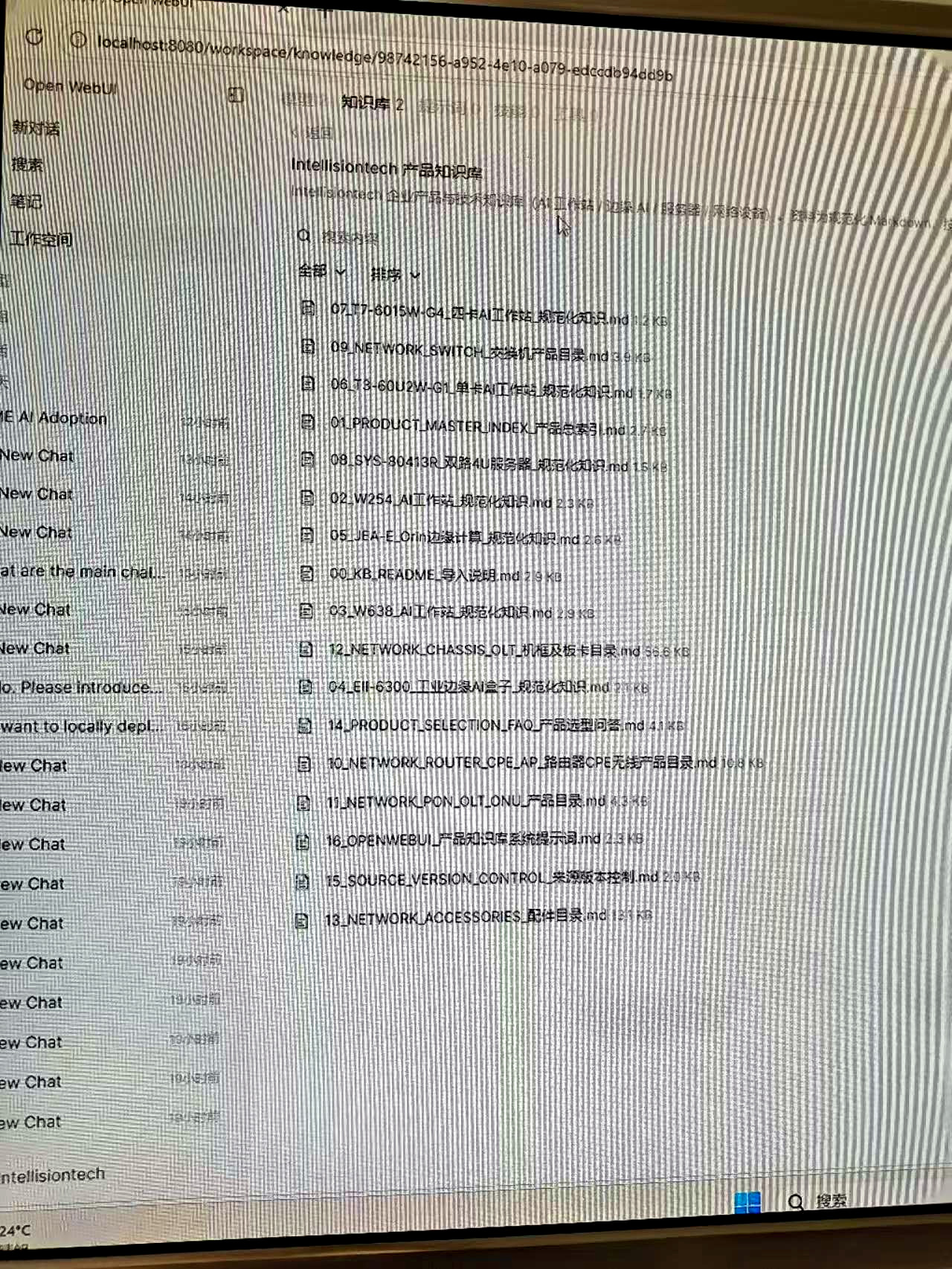
- Open WebUI and a knowledge base
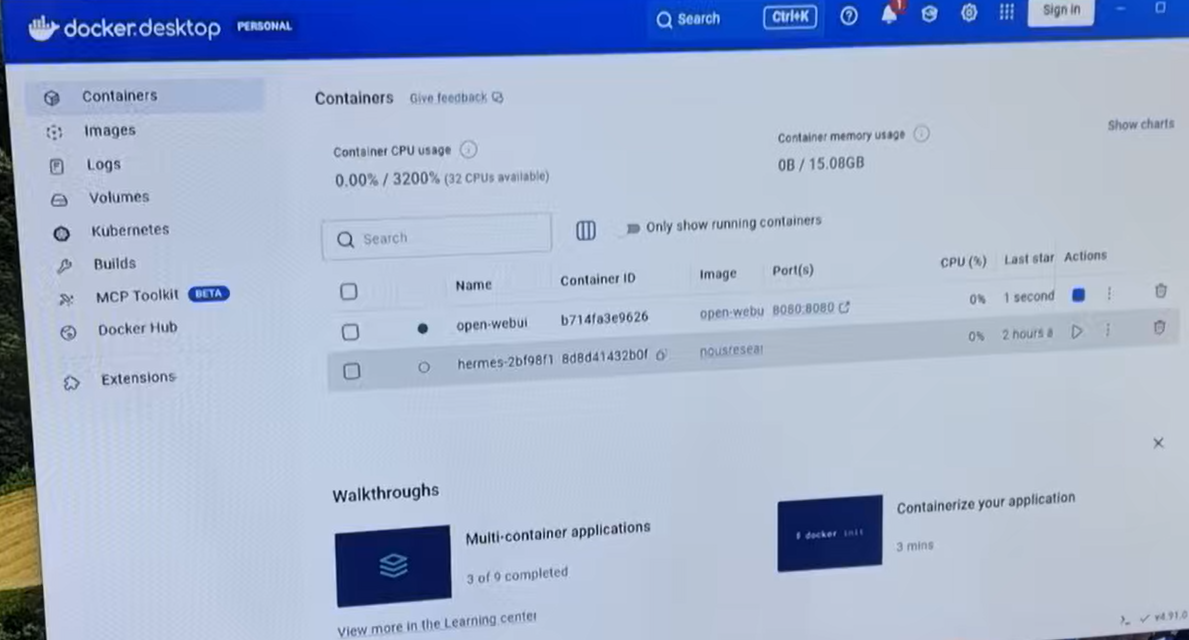
- Hermes connected to GPT-OSS-120B
Nothing exotic. Every component here is something a small IT team can install, document and run — which is the entire point. If a private AI system needs a specialist team to keep alive, it is not a realistic option for a 100-person company.
Why a 100-person company is the right test case
A 100-person manufacturer does not have a data science team. It has SOPs, product manuals, maintenance records and engineering documents — and a growing temptation to paste all of it into a public chatbot.
Those are precisely the documents a company is least willing to hand to someone else's server. So that became our test.
Test 1 — Enterprise knowledge assistance
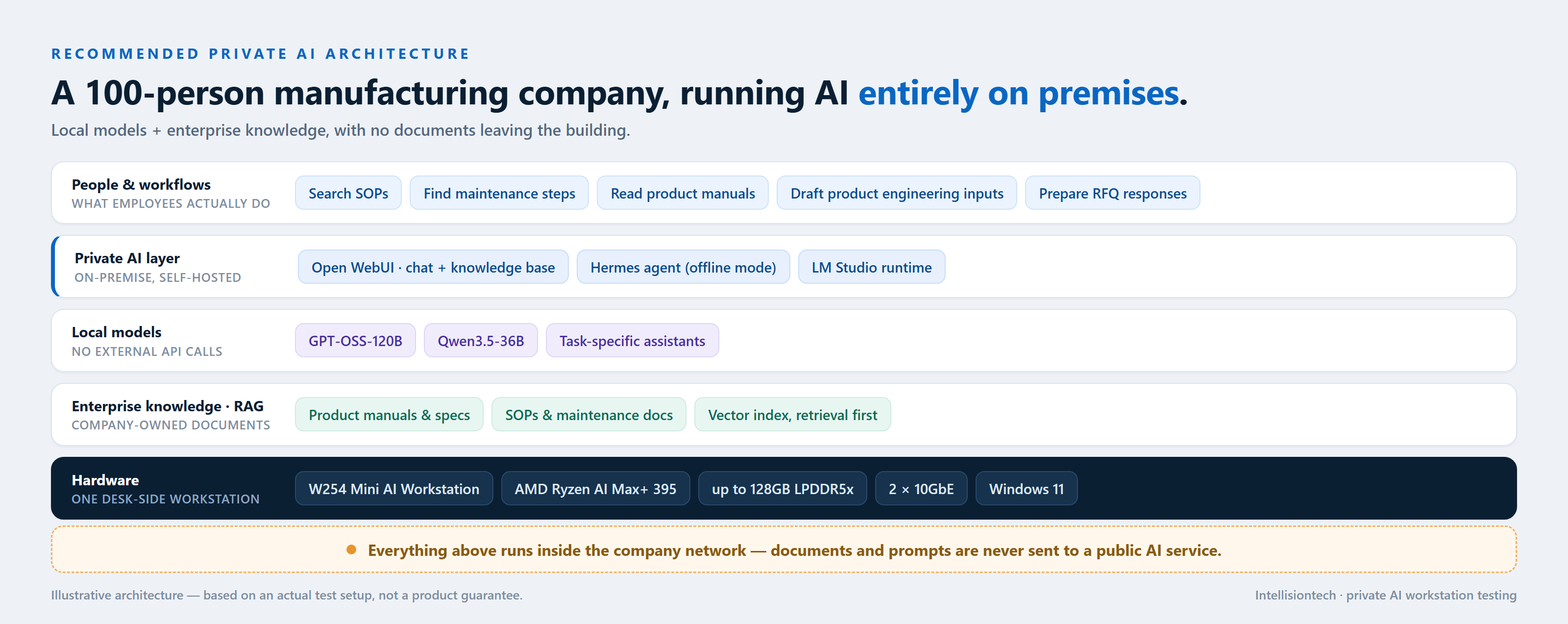
We asked the system to recommend an architecture for a 100-person manufacturing company that wants employees to search SOPs, product manuals and maintenance documents without sending those documents to a public AI service.
The result was a structured, layered recommendation rather than a generic answer. It mapped the people and their workflows to a private AI layer, the local models underneath it, an enterprise knowledge base, and the hardware those pieces actually need.
For the knowledge base itself, three questions still need explicit verification: whether the model retrieves the correct document; whether its answers stay consistent with the source text; and whether it can say “I don't know” when the answer is not in the library.
Test 2 — AI-assisted product engineering
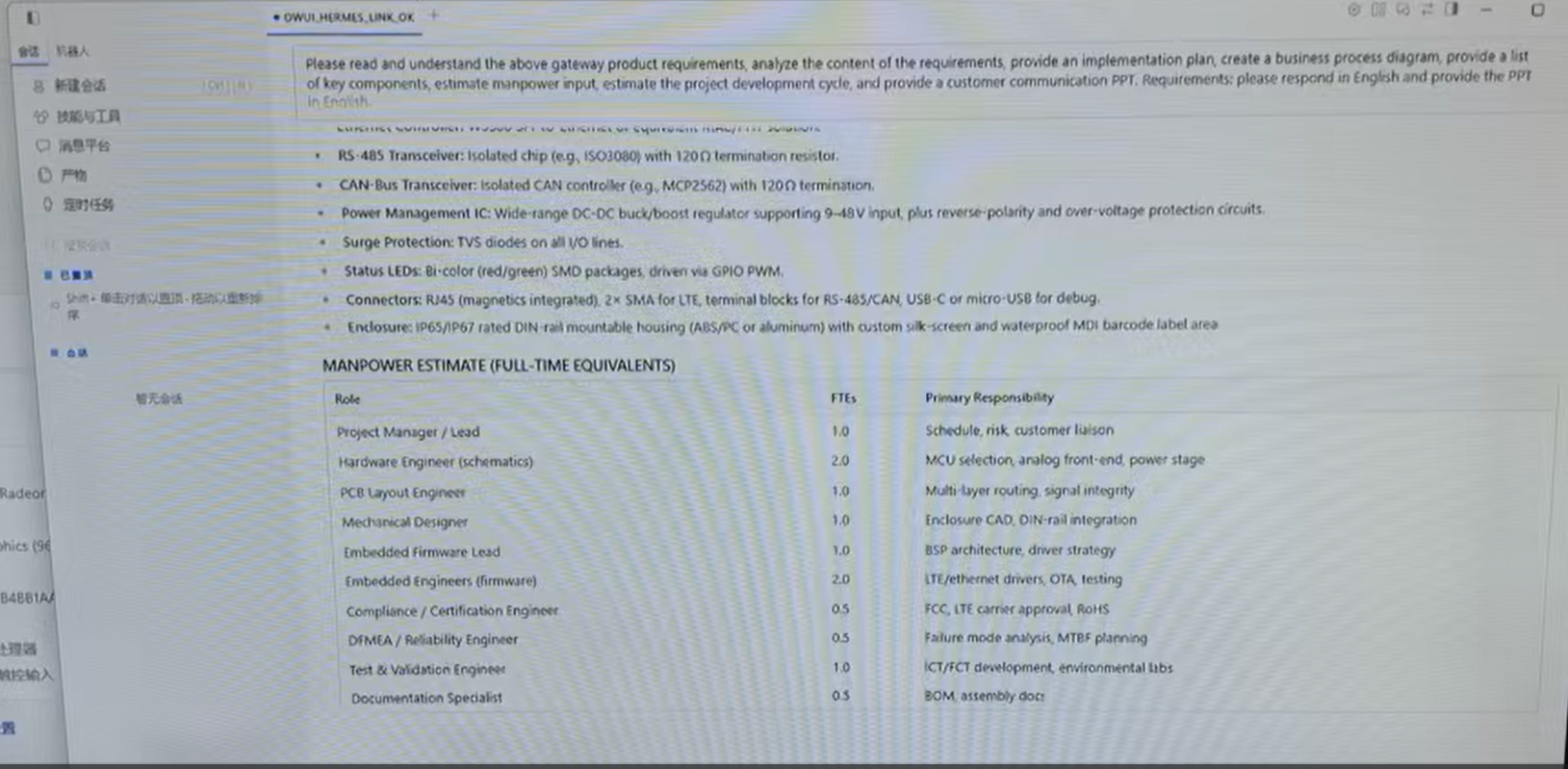
Next, we supplied a product requirements PDF and asked the system to produce an initial:
- Product definition
- System architecture
- Candidate component list
- Staffing requirements and roles
- Effort estimate
- Preliminary development timeline
This is the kind of first-pass synthesis that normally consumes the first day or two of an engineering cycle. Here it arrived as a structured draft — something a human engineer can then correct, challenge and build on.
But a draft is not an engineering conclusion. Candidate components still need datasheet checks, interface compatibility, supply availability and cost review; the timeline still depends on team capability, testing, certification and project dependencies. AI can accelerate the early discussion — it cannot replace engineering review.
What “private” actually means in this setup
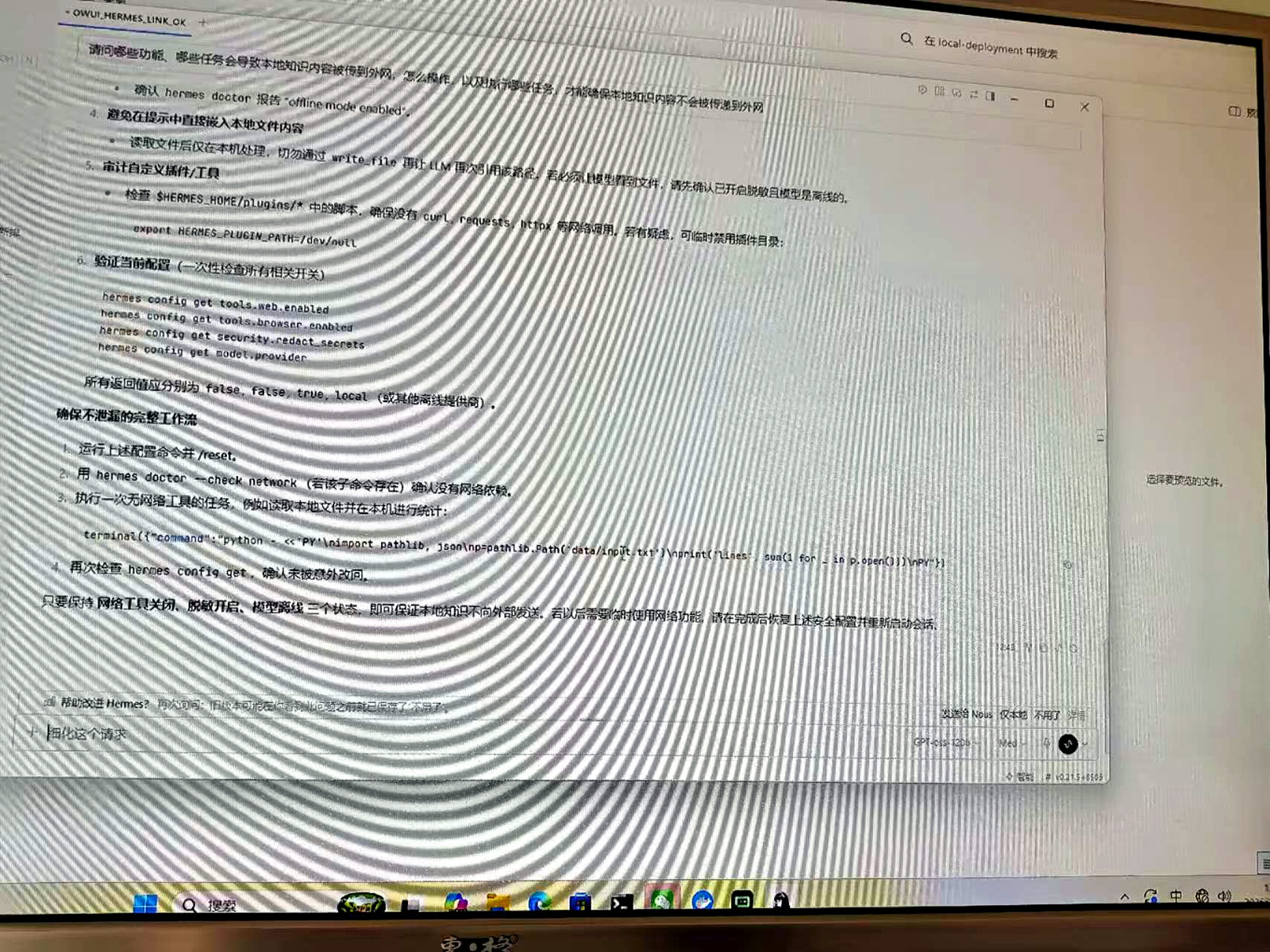
“Private AI” is easy to claim and easy to get wrong. In our setup, Hermes runs in offline mode, the tool network is switched off at the configuration level, and the knowledge base stays on the local machine.
The goal is deliberately narrow and checkable: the documents employees search never leave the building. Real assurance, however, means auditing the whole chain — network access, telemetry, plugins, external APIs, logs and backups of every software layer — not just the model itself.
What we still cannot conclude
Both experiments produced useful, structured results — an encouraging start, but not the end of an evaluation. Before drawing broader performance or privacy conclusions, we still need:
- Load-tested concurrency: how many users one workstation actually serves must be measured with real load, not inferred.
- Quantified retrieval accuracy: recall and citation consistency of knowledge-base answers require a labeled test set.
- Layer-by-layer network verification: telemetry, plugins, external APIs and logs of every software layer must be checked individually.
- An explicit security boundary: permissions, audit logging and backup policy are currently design decisions — not verified implementations.
What comes next
Our goal is to understand how local AI, enterprise knowledge and practical workflows can work together for small and medium-sized businesses. If you are considering a deployment, start with one concrete question: which document do your employees look up most often every week? A single real document is often enough to judge whether an enterprise knowledge base deserves the next round of validation.
Your turn
What would you test first on a private AI workstation: enterprise knowledge search, product engineering, or sales automation? We are especially interested in hearing from teams who have already tried to keep this kind of work on-premise — tell us what surprised you, via sales@intellisiontech.com or our contact page.